Starting a blog is one of the best decisions you can make—whether you\’re looking to share your passion, build a personal brand, or create a source of income. And if you\’re a beginner, WordPress is the best platform to get started with. It’s user-friendly, flexible, and powerful enough to grow with your goals.
In this comprehensive guide from Helping Bloggers, we’ll walk you through exactly how to start a blog on WordPress, even if you have zero technical skills.
Let’s get right into it!
Table of Contents
- Why Start a Blog in 2025?
- WordPress.com vs WordPress.org – What’s the Difference?
- Step 1: Pick a Niche for Your Blog
- Step 2: Choose a Domain Name & Hosting
- Step 3: Install WordPress
- Step 4: Choose a Theme
- Step 5: Install Essential Plugins
- Step 6: Create Core Pages
- Step 7: Write & Publish Your First Blog Post
- Step 8: Customize Your Blog Settings
- Step 9: Promote Your Blog
- Step 10: Monetize Your Blog
- FAQs
- Final Thoughts
Why Start a Blog in 2025?
Blogging isn’t dead—it’s evolving. More than 77% of internet users still read blogs regularly, and WordPress powers over 43% of all websites on the internet. Starting a blog allows you to:
- Build authority in your niche
- Generate passive income
- Promote your services or products
- Express your creativity
- Work from anywhere


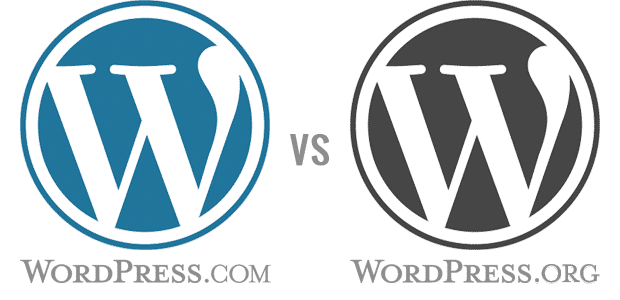
WordPress.com vs WordPress.org – What’s the Difference?
Before jumping in, it’s essential to understand the two types of WordPress:
| WordPress.com | WordPress.org |
|---|---|
| Hosted platform | Self-hosted solution |
| Limited customization | Full control and flexibility |
| Good for hobbyists | Ideal for serious bloggers or businesses |
| Ads displayed unless you pay | You control monetization |
Verdict: Choose WordPress.org for full freedom and monetization potential.
Step 1: Pick a Niche for Your Blog
Your niche determines what you’ll write about and who your audience is. A clear niche helps attract loyal readers and monetize effectively.
Popular beginner-friendly niches:
- Personal finance
- Health and fitness
- Travel
- Tech tutorials
- Lifestyle and self-development
- Food and recipes
- Blogging and online business (like Helping Bloggers!)


Tips to Choose a Niche:
- Combine your passion + demand
- Look at popular blogs for inspiration
- Use keyword research tools like Google Keyword Planner, Ubersuggest, or Ahrefs
Step 2: Choose a Domain Name & Hosting
Domain name is your blog’s address (like helping-bloggers.com).
Hosting is where your blog lives on the internet.
How to choose a domain:
- Keep it short and memorable
- Use keywords if possible
- Avoid hyphens or numbers
Recommended Hosting Providers:
- Bluehost (official WordPress partner)
- SiteGround
- Hostinger


Step 3: Install WordPress
Most hosting providers offer 1-click WordPress install. Once installed, you’ll get access to your WordPress dashboard at:
bashCopyEdityourdomain.com/wp-admin
From here, you can start customizing your blog, installing plugins, and writing posts.
Step 4: Choose a Theme
Your theme controls the design and layout of your blog.
Free & Premium Themes for Beginners:
- Astra (fast and lightweight)
- Kadence
- OceanWP
- GeneratePress
- Hello Elementor (for drag-and-drop editing)


Installing a Theme:
- Go to Appearance > Themes
- Click Add New
- Search and install a theme
- Click Activate
Step 5: Install Essential Plugins
Plugins enhance your blog’s functionality. Here are must-have plugins for new bloggers:
- Rank Math or Yoast SEO (for SEO optimization)
- WPForms (for contact forms)
- Elementor (drag-and-drop page builder)
- Site Kit by Google (analytics and AdSense)
- UpdraftPlus (backups)
- LiteSpeed Cache or WP Super Cache (speed)
Installing a Plugin:
- Go to Plugins > Add New
- Search for the plugin
- Click Install and then Activate
Step 6: Create Core Pages
At minimum, create these essential pages:
- About Page – Tell visitors who you are and what your blog is about
- Contact Page – Include a form, email, and links to social profiles
- Privacy Policy – Important for legal compliance (especially with Google AdSense)
- Disclaimer & Disclosure – Especially if you use affiliate links


Step 7: Write & Publish Your First Blog Post
Ready to go live? Follow this structure:
Post Template for Beginners:
- Catchy Headline
- Introduction with a hook
- Main content (use headings and bullets)
- Conclusion and CTA
Tips:
- Focus on helpful, evergreen content
- Use keywords naturally (1–2% density)
- Add internal and external links
Step 8: Customize Your Blog Settings
Tweak key settings for performance and SEO.
- Settings > Permalinks: Choose “Post name”
- Settings > Reading: Set your homepage
- General Settings: Update site title and tagline
- Menus: Create a navigation menu under Appearance > Menus
Step 9: Promote Your Blog
Writing is only half the job—promotion matters too.
Ways to Promote Your WordPress Blog:
- Share on social media (Pinterest, Twitter, Facebook)
- Join blogging communities and forums
- Use email marketing (Mailerlite, ConvertKit)
- Guest post on related blogs
- Repurpose posts into videos or infographics


Step 10: Monetize Your Blog
Once you have traffic, here are ways to earn:
- Display Ads (Google AdSense, Ezoic)
- Affiliate Marketing (Amazon Associates, ShareASale)
- Sponsored Posts
- Digital Products (ebooks, courses)
- Freelance Services (writing, coaching)
Pro Tip: Don’t rush into monetizing. Focus on growing content and trust first.
Frequently Asked Questions (FAQs)
Yes! Blogging continues to be a profitable, scalable, and low-cost business model—especially with WordPress.
Yes, a niche helps you attract a targeted audience and grow faster.
Final Thoughts: Your Blogging Journey Starts Now
Starting a blog on WordPress isn’t just about writing posts—it’s about creating value, building a community, and eventually turning your passion into a platform (and income source).
With the right guidance and tools—like those we provide at Helping Bloggers—your blog can become a powerful online presence.
Take the first step today. Your audience is waiting.